durch Phasen gehen (Ausstellung, Wien)

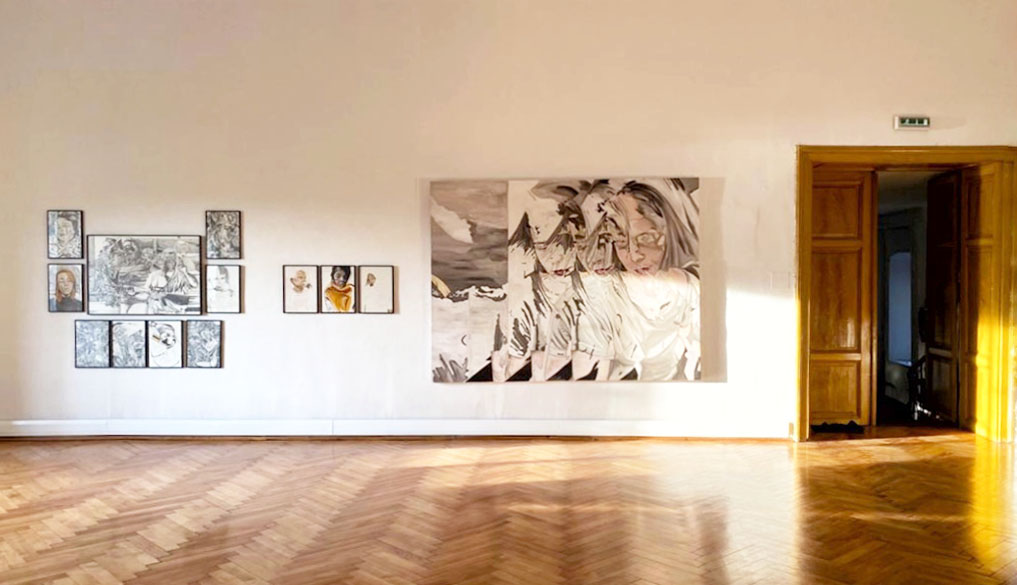
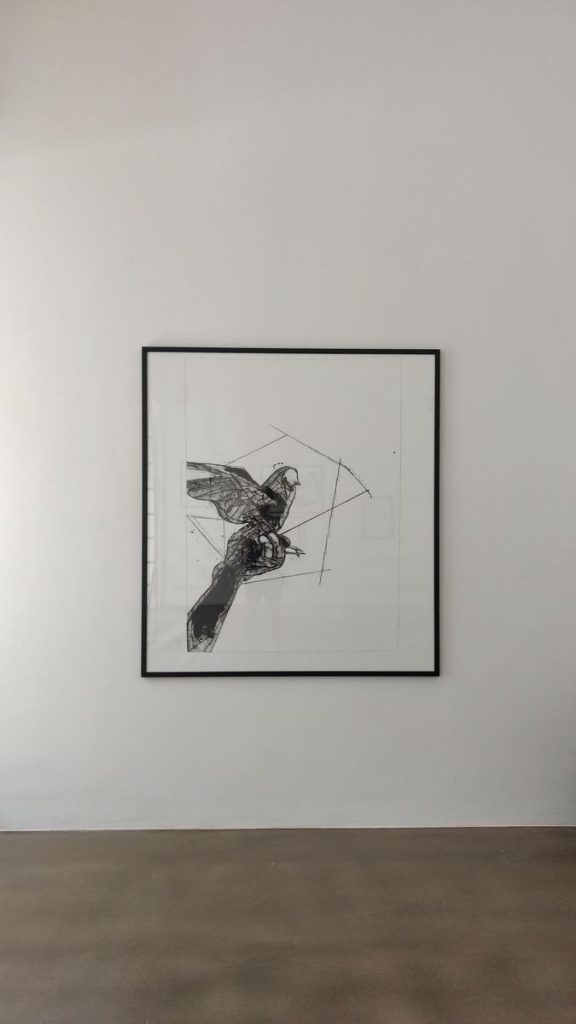
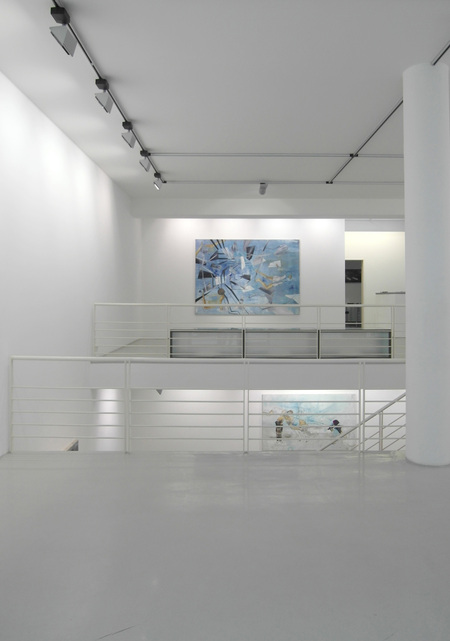
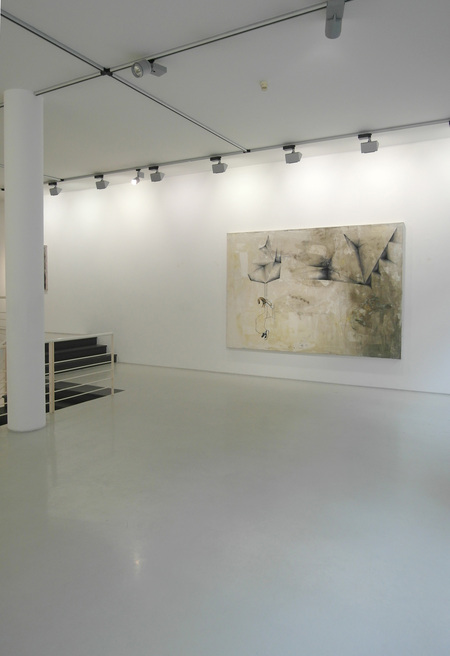
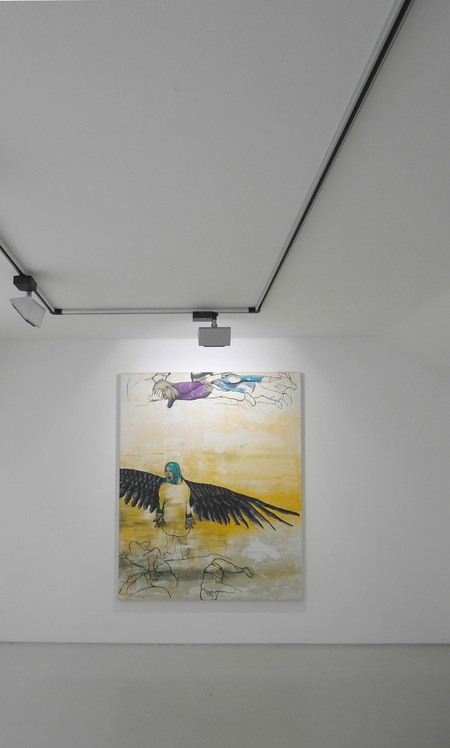
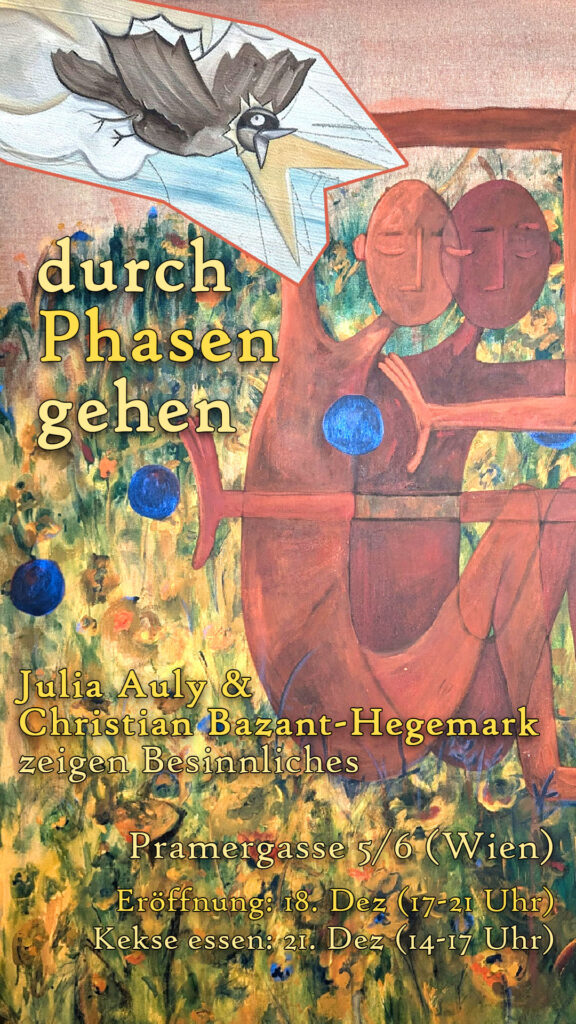
Im Sommer 2025 habe ich das erste mal eine Ausstellung in meinem Atelier in Wien umgesetzt. Vor Weihnachten gibt es eine weitere Ausstellung — mit Werken von von Julia Auly und mir.

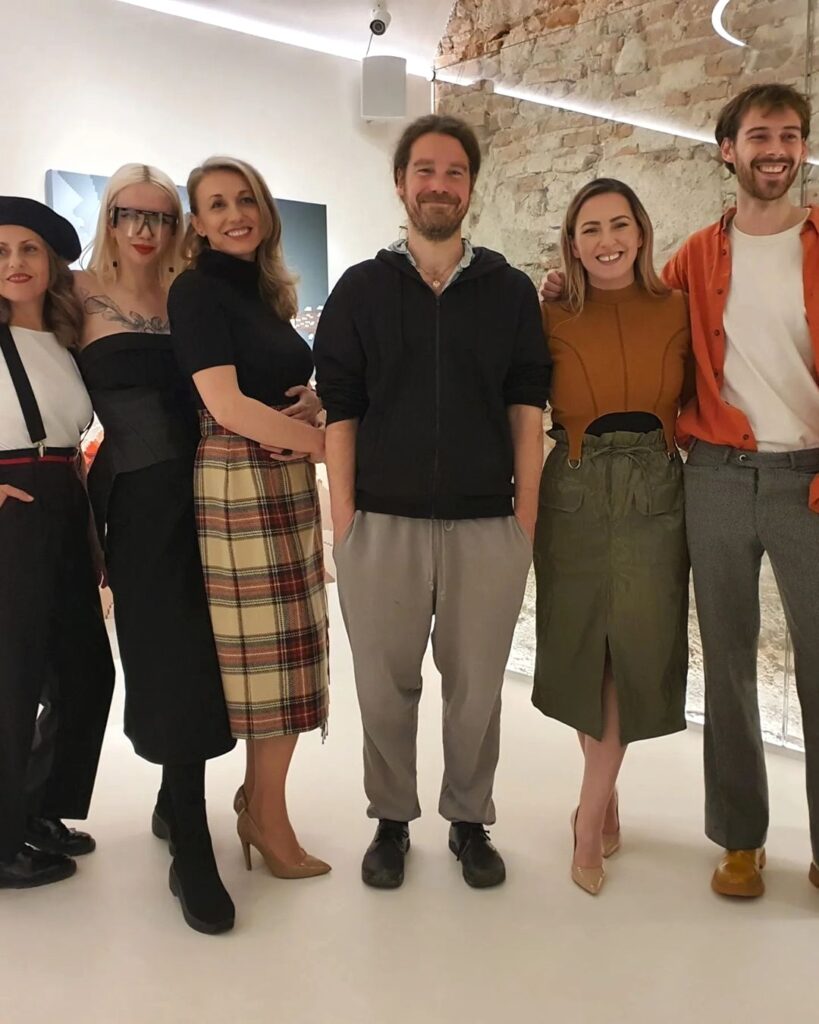
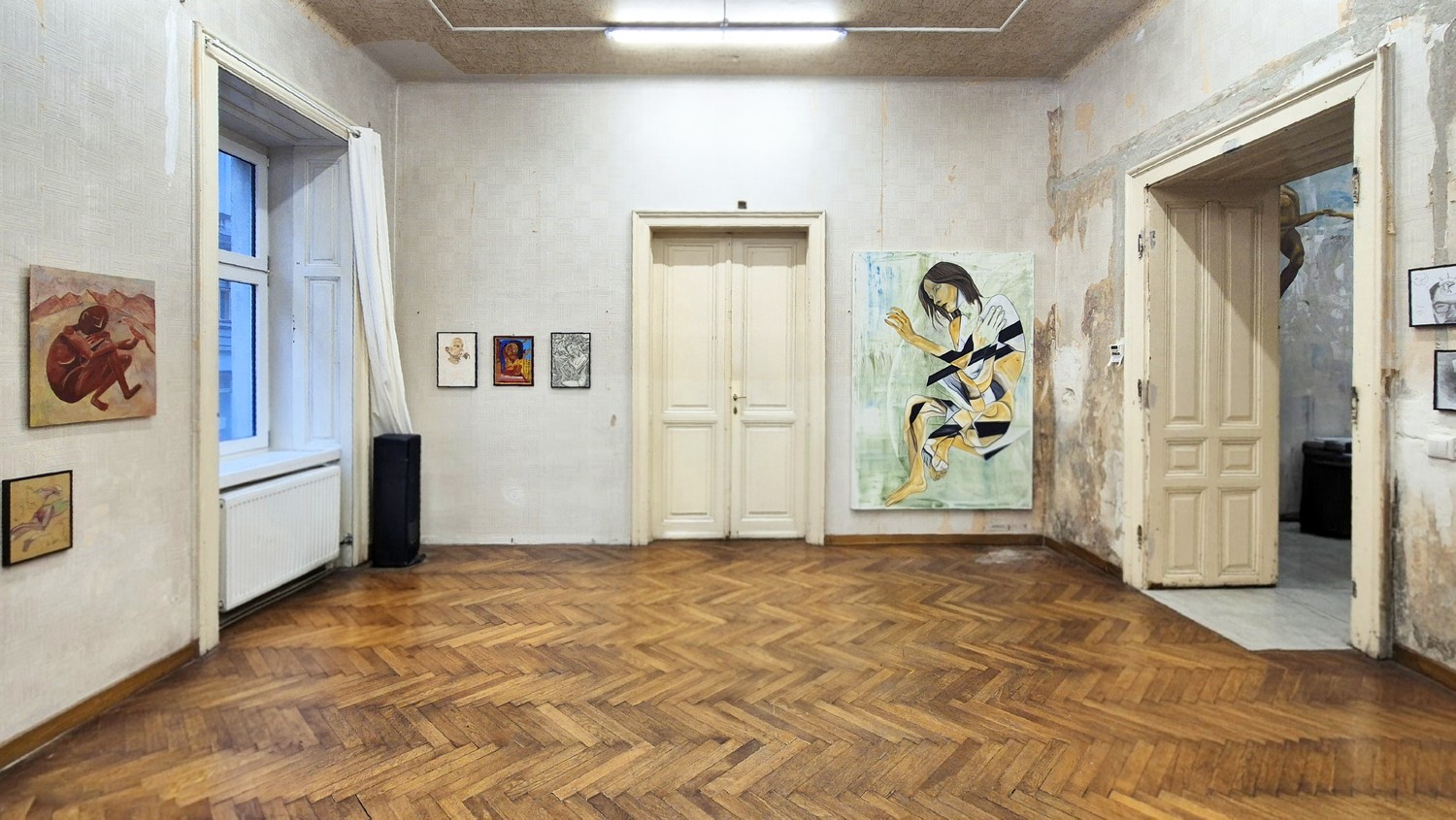
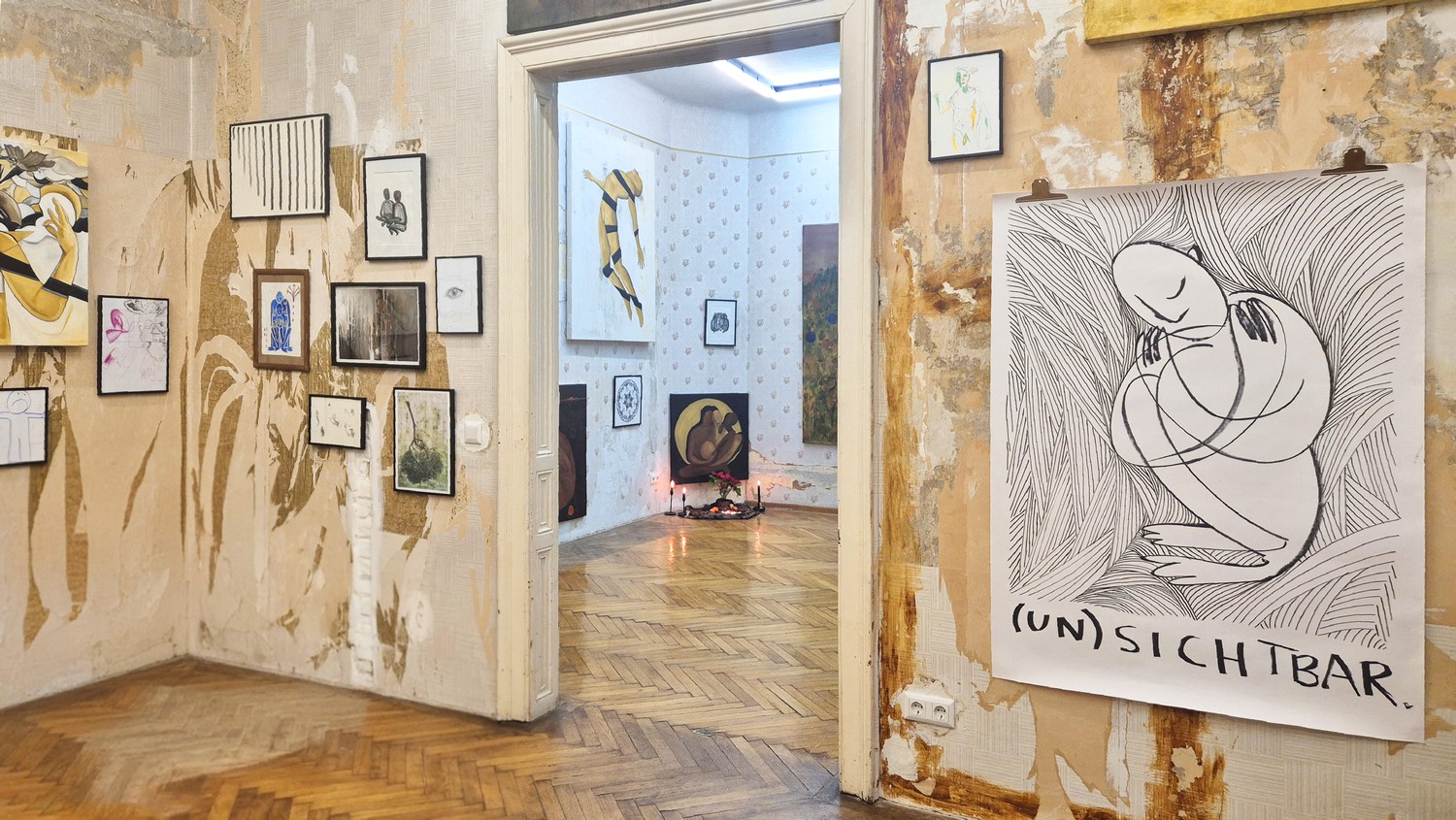
Gezeigt wurden Werke aus unterschiedlichsten Werkphasen, in einer eklektischen Hängung. Danke allen für’s dabeisein!

  • Eröffnung: 18. Dezember 2025 (17-21 Uhr)
  • Kekse essen: 21. Dezember (14-17 Uhr)

Ausstellungsansichten

Learning to Sleep (Ausstellung, Wien)

Am 5. September 2025 (19 Uhr) findet in meinem Wiener Atelier die “Learning to Sleep” Ausstellungseröffnung statt.

  • Mit dieser Ausstellung zelebriere ich einerseits eine neue Werkserie (Link), die aus dem gleichnamigen Klavieralbum (Link) enstanden ist.
  • Zugleich geht es aber auch um die Eröffnung meines Online-Shops (Link), wo diese Werke auch schon vor der Eröffnung erworben werden können.

Mit dem Coupon SLEEP20 bekommt man bis vor der Eröffnung einen 20% Preisvorteil. Der Coupon gilt allerdings nur fünf mal.

Hier ist ein Video, wo ich das alles beschreibe:

Substanz, Künstlerhaus Wien

I was asked in 2023 to curate one of the three yearly shows at Künstlerhaus Wien: to choose a subject, a potential co-curator, and select artists and their works.

I asked Esther Hladik to consider co-curating “Substanz” (the title was her idea), an exhibition about individuals who got frustrated with the societal efficacy of art: to change something in the world, can it be enough to create art?

The exhibition took over 1.5 years to realize, and had it’s opening on October 31st, 2024. Here are photos form the show, I’ll write more soon.

Link to the Künstlerhaus’s Substanz site.

  • exhibition view photos by Michael Nagl
  • exhibition opening photos by eSel.at – Joanna Pianka

Exhibition Views: “Consciousness Dialogues” at [FKc] FORUM KUNST contemporary

Consciousness Dialogues” is my 29th solo exhibition. It shows works from the three series I currently work on. The series differ in their visualities, but are connected through their focus on trauma recovery.

The exhibition is running until end of August 2024, and can be visited free of charge at [FKc] FORUM KUNST contemporary in Millstatt / Austria.

I’ll lead through the exhibition on July 20th 11am.

The galleries’ standard opening times are limited, but the gallery is open any time on request. Reach out <3

PS: click here to access an exhibition review by SIMs.eu

SIMs.eu, der Kulturguide für Europa: Review der Ausstellung Christian Bazant-Hegemark bei [FKc] FORUM KUNST contemporary

Works at [FKc] Forum Kunst Contemporary, June 2023

My work is currently exhibited at Forum Kunst Contemporary (situated at beautiful Stift Millstatt, which is right at Lake Millstatt <3), in an untitled group exhibition alongside Deborah Sengl’s solo show “Trouble in Paradise”.

The works are exhibited until June 24th; opening times Wednesday-Saturday, 3-6pm.

Drop by!

[FKc] Forum Kunst Contemporary, exhibition view with works by Christian Bazant-Hegemark
Law of Regression, 2023 | oil on canvas
180 × 240 cm

Digitalog (Group), HOLON.art, Wels

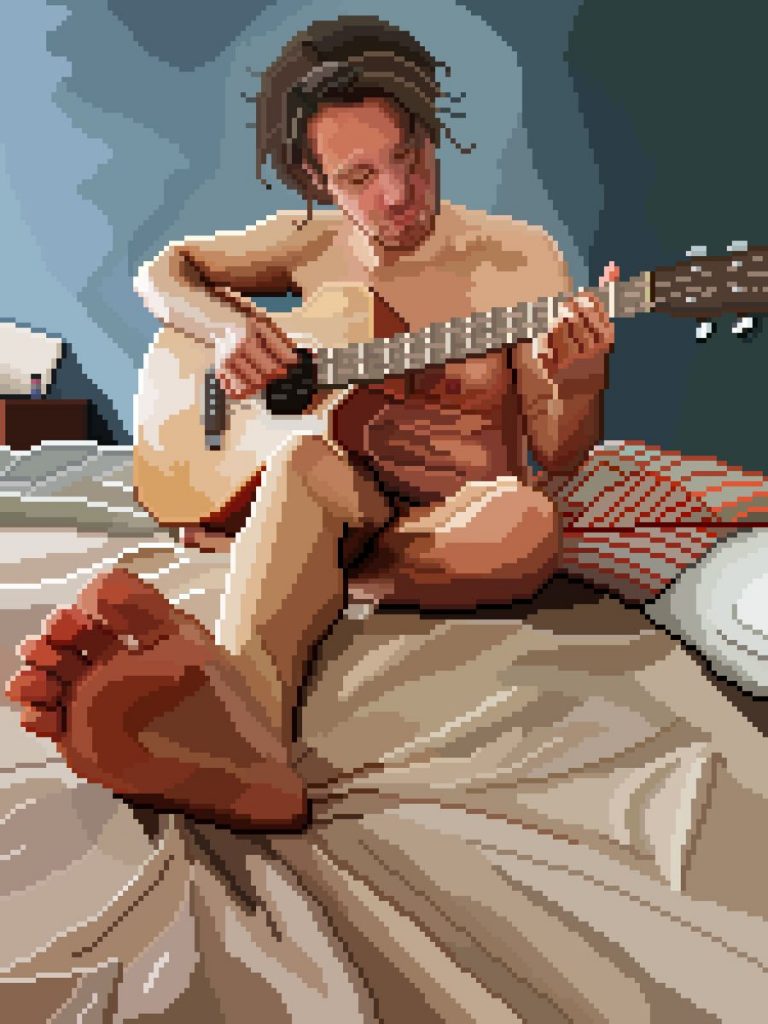
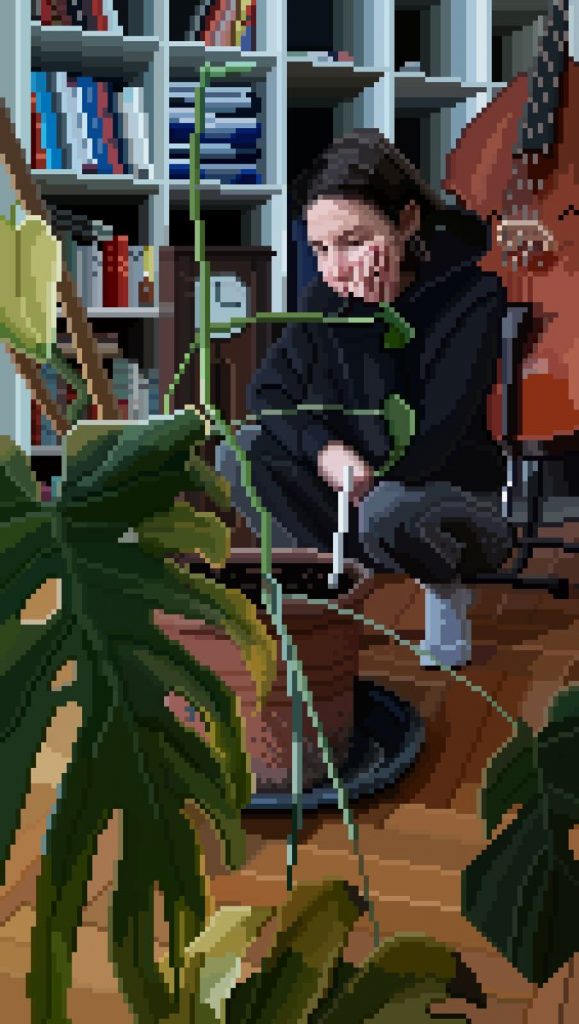
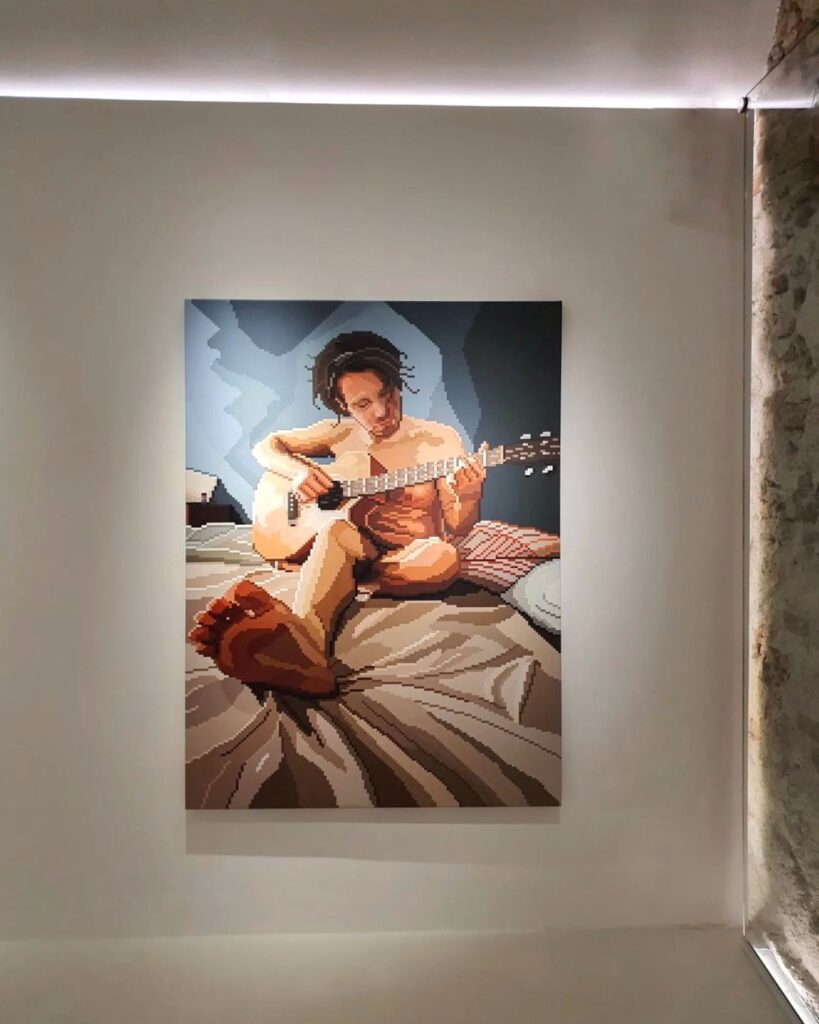
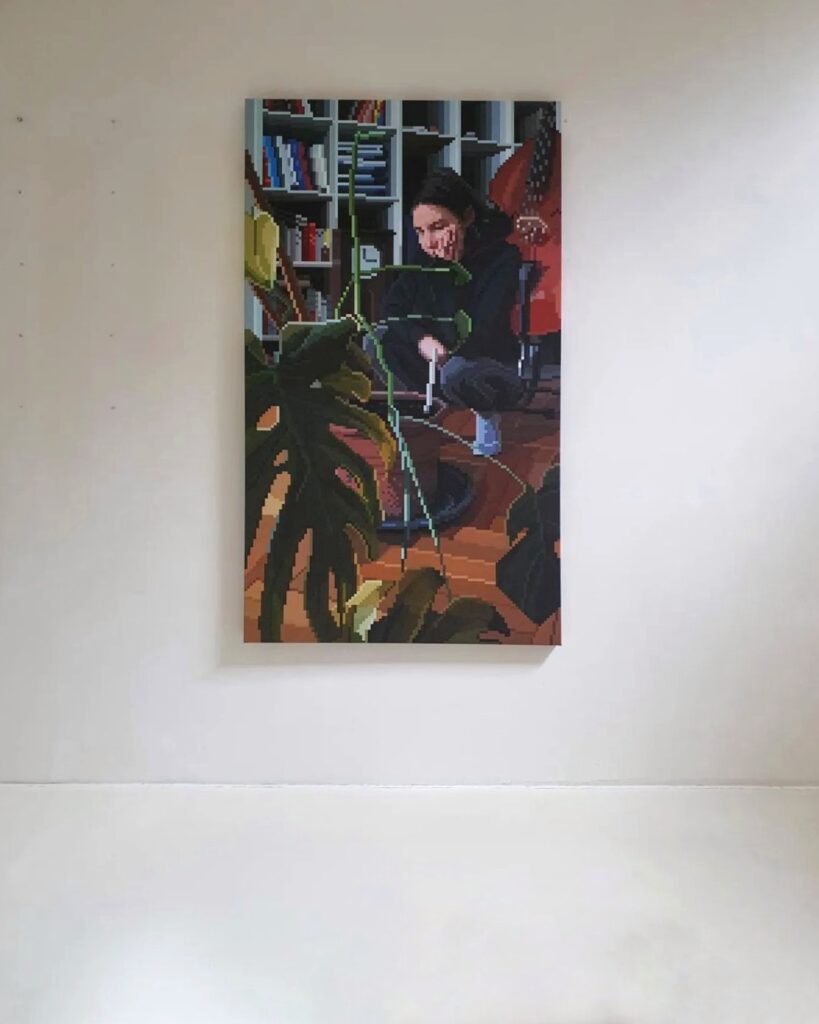
Two of my manual pixelations, printed onto canvas, will be exhibited at HOLON.art‘s “Digitalog: Digital und Analog im Dialog” exhibition. It’s the first time these sort of works will be exhibited; I’ve created a lot of pixel-based digital works over the last couple years, and started bringing them into the analog world. But they haven’t yet been shown outside of my studio. Thanks to Bianca Kiso for trusting these works <3

The exhibition also shows works of Ignas van Rijckevorsel, Chris Murzek, Bianca Kiso and Denisa Osacenco. Plus: the opening evening also marks the space’s second birthday — let’s meet there to discuss art and life 🙂

  • Opening on Friday, May 12th (6:30pm) — I’ll be there; dresscode: futuristic or vintage 🤩
  • Exhibition duration: May 13th – June 16th, 2023
  • Opening times: Thursday and Friday, 2-6pm
Holon Art Space, Wels
Calm, 2022
200 x 150 px
Bad Growth, 2022
200 x 113 px

Some photos from the opening..

Illusion – Delusion (group), Forum Kunst Contemporary, Millstatt

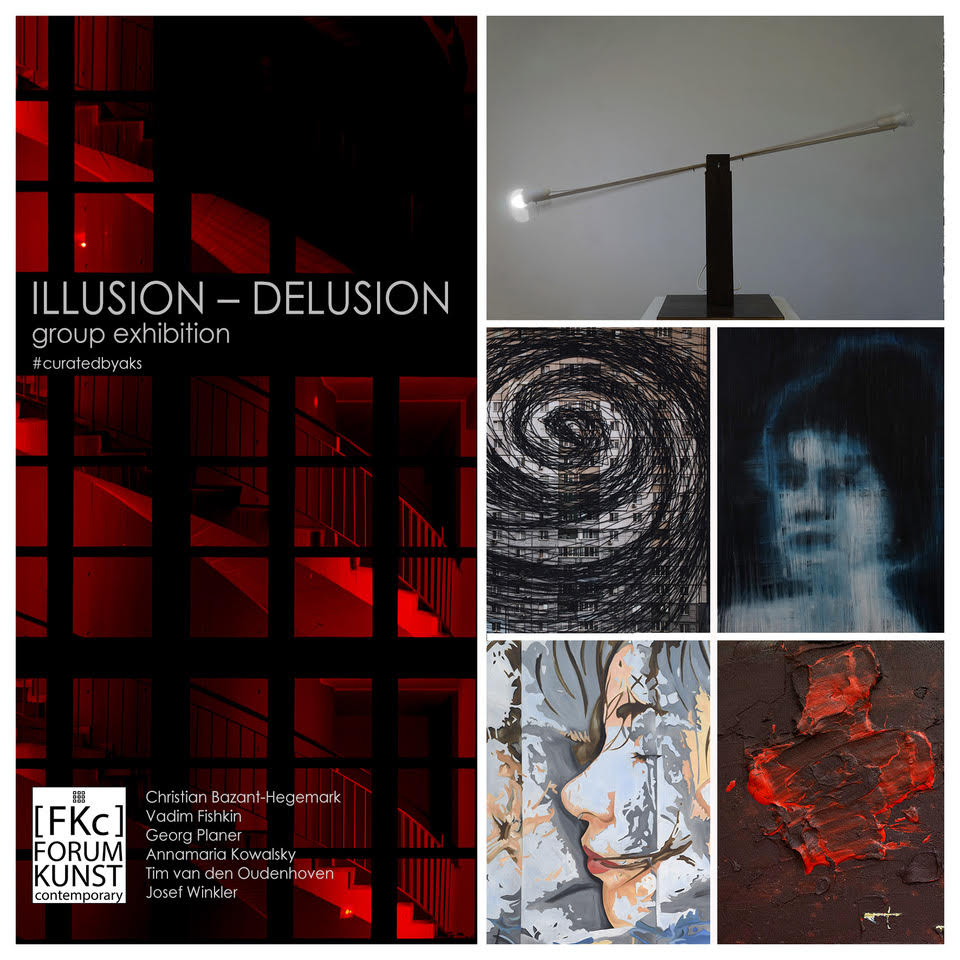
My work gets exhibited once more at Forum Kunst Contemporary, in group show called “Illusion – Delusion“, curated by Andrea K. Schlehwein. The exhibition includes works by Vadim Fishkin, Georg Planer, Annamaria Kowalsky, Tim van den Oudenhoven, Josef Winkler and me.

  • Opening on March 5th, 2023 (11am), including the dance performance “EMBRACE FALLING” (Andrea K. Schlehwein + NETZWERK AKS; Maria Mavridou)
  • The exhibition runs until April 15th, 2023
  • Opening hours: Wednesday – Saturday, 3pm – 6pm

I’ll be at the opening — join me there! <3

All exhibition views below (c) Tim van den Oudenhoven

Kunst. Leben. Leidenschaft. (October 16th, 2022, Museum Angerlehner, Thalheim bei Wels)

My works are part of this major group exhibition, celebrating the ten year anniversary of Museum Angerlehner — curated by Günther Oberhollenzer:

Das privat geführte Museum Angerlehner gehört zu den wichtigen Orten für zeitgenössische Kunst in Österreich. Die Sammlungsschau zum zehnjährigen Bestehen des Museums ermöglicht einen vertiefenden wie überraschenden Einblick in die vielfältigen Bestände österreichischer wie auch internationaler Kunst. Rund 200 Werke von 125 Künstler:innen sind in der großen Ausstellungshalle sowie den Galerie- und Grafikräumen zu sehen.”

Der Kunstleidenschaft des Privatsammlers Heinz Josef Angerlehner, seinem Gespür, seinen persönlichen Vorlieben und Interessen wird in der Schau bewusst Rechnung getragen. Die von Kurator Günther Oberhollenzer gestaltete Ausstellung streicht die Besonderheiten der Sammlung Angerlehner heraus und ermöglicht interessante wie ungewöhnliche Dialoge zwischen den Kunstwerken – oft auch über eingeübte kunsthistorische Einordnungen hinweg. Individuelle Sichtweisen und persönliche Vorlieben werden selbstbewusst vorgestellt. Thematische Klammern widmen sich relevanten Aspekten der Malerei wie Menschenbild und Naturlandschaft, Farbrausch und Abstraktion. Zu sehen sind aber auch fotografische Wirklichkeiten, zeichnerische Bildwelten und skulpturale Positionen. Die Werkauswahl vermittelt in ihrer assoziativen Zusammenstellung viel vom einmaligen Charakter der Sammlung und lässt die Besucher:innen in wunderbare künstlerische Welten eintauchen.


Here’s a video where Günther Oberhollenzer and Yours Truly talk a bit about the show 🙂

Shifted Realities (May 14th, Galerie Heimo Bachlechner, Graz)

My work is part of the group exhibition “Shifted Realities” at Galerie Heimo Bachlechner (Graz), next to the works of Christine Liebich and Sissa Micheli.

The show focuses concepts of reality, and how artists deal with it, and shift it — within drawing painting, sculpture and photography; between abstraction and figuration, reality and virtuality, displacement and fiction, etc.

It opens on Saturday, May 14th (3pm), with an opening speech by Roman Grabner (curator and director of Bruseum). It is part of the “aktuelle kunst Galerientage Graz” exhibition program.

  • Opening: Saturday, May 14th, 2022 (3pm)
  • Address: Liebenauer Hauptstraße 322, 8041 Graz
  • The show can be seen until June 18th, 2022.

Solo exhibition: “Trauma” at Museum Angerlehner (Thalheim bei Wels)

“Trauma” is my twentieth solo exhibition since 2010, and marks my first solo exhibition at a museum: at Museum Angerlehner. The show was curated by Günther Oberhollenzer, and runs from May 9th to August 29, 2021.

The exhibition shows works from 2008-2021, focusing on individuals and their trauma recovery. The works cast a wide, dim circle around topics of consciousness: from dream interpretation to psychoanalysis, from individual to social and political dynamics. They repeatedly focus on psychological symptoms of psychotrauma: body dissociation, depersonalization, amnesia, fatigue, compulsions, etc.

Such symptoms cannot be clearly depicted apart from clichés, because they do not offer clear images: the truth of a person is not merely revealed by their surface. Therefore, many of my works appear to be everyday illustrations: someone is sleeping, pottering, planting, fishing; the images do not articulate the reason for these actions, or whether they are done consciously or subconsciously – but they often appear symbolically charged.

The sitter’s introspective gaze indicates an inner communication to which we viewers cannot listen. In this respect, viewers are always excluded from certain aspects and dynamics of the images – like trauma victims, who can be denied clear access to their own bodies, memories, emotions, etc. due to dissociation.

All exhibition photos (c) Simon Veres

Here is a short reel showing a walk through the exhibition (Instagram).

About the space..

This exhibition happens in Museum Angerlehner’s two gallery rooms, covering about 400m² (1300ft²). It’s quite a bit of space and opportunity — curating this with Günther Oberhollenzer was both exciting and enlightening.

The two exhibition rooms are idenically spaced, and connected through a sort of “bridge”; when seen from above, they resemble brain hemispheres, or the lobes of a lung — or a butterfly’s wings. These concepts mapped perfectly with the topic of trauma recovery: the way trauma influences (and modifies) the brain; breathing as strategy to calm the autonomic nervous system; the butterfly as symbol for life’s randomness.

The exhibition itself doesn’t highlight these topics explicitly — instead, they co-create an atmosphere which offers emotional opportunities.

“The immediate encounter with works that at first sight do not satisfy any sensationalism, and in many cases do not use the usual visual language of pain, expands the idea that we associate with the rupture. Despite their spatial weight, the works often depict moments far removed from tragedy. It is as if the silence between the lines has been held under a magnifying glass. What becomes visible are not the bold headlines, the hand-wringing cries for help, or even forms of violence.”

Jaqueline Scheiber
“Trauma”

Salon #1, Untitled Projects (2021)

SALON#1 at Untitled Projects shows new works by Christian Bazant-Hegemark, through which he further consolidates his figurative approach. Digital glitches and errors in image editing are fundamental in the conception of the presented pencil drawings and oil paintings. The series includes portraits and interrogations of political situations through which Bazant-Hegemark enhances his involvement with people’s trauma processing.

The displayed works do not depict trauma as such, as it is not physically visible for the viewer, but can rather be experienced on an emotional level. The artist thematizes and reflects on the dynamic of traumatized people, who often lack knowledge about their own condition for a long period of time. The works recurringly focus on the psychological symptoms of traumatized people: body dissociation, depersonalisation, amnesia, fatigue and psychological coercions. These symptoms are, apart from clichés, not directly depictable as they do not offer clear images: one’s emotional situation does not show on his surface only.

Consequently, the exhibited works – detached from everything else – seem like everyday sceneries illustrated: people sleeping, pottering, gardening, glancing; the works do not articulate the reason for these actions. The introspective look of the persons depicted refers to an internal communication, which we as spectators can never be a part of. It is not intended for us. In this sense we as the observer are always excluded from certain aspects and dynamics of an image – like trauma victims, who may lack a clear approach to their own body, recognitions, emotions etc. as a consequence of dissociations.

“Fame/Fake/Fail and Fear – Schwarze Melange” at Kunsthalle Exnergasse

“Fame/Fake/Fail and Fear – Schwarze Melange” was a group exhibition curated by Eleni Kampuridis, which was shown at Kunsthalle Exnergasse and at Kunstraum “Die Schöne”. It included two works from my 2017 series that transformed political horrors with a transmedial pixelation/painting process.

The artists participating in the exhibition investigate, document, expose, and analyse the effects of language and image as a foundation of fine arts and PR based on the example of the 2017 Austrian election campaigns. Thanks to an ingenious PR strategy, then-chancellor candidate Sebastian Kurz could create a mood swing without any political urgency. In 2000 Christoph Schlingensief caused a stir in the framework of the Wiener Festwochen with his container action »Bitte liebt Österreich (Please Love Austria)«. A perfect staging of image and language can unleash emotions, which can be utilised either for political, marketing strategy, or artistic purposes. Hence, this exhibition is also a call to critically question information, to verify its substance, and to apply marketing tools with an apparent positive image effect more consciously—also in the field of fine arts.

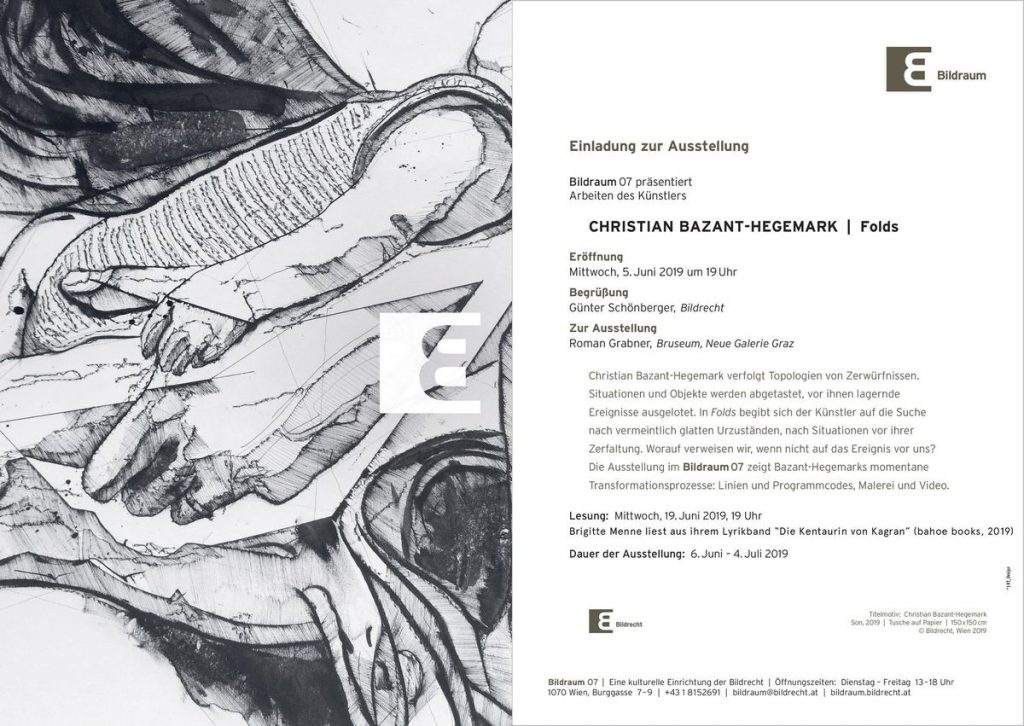
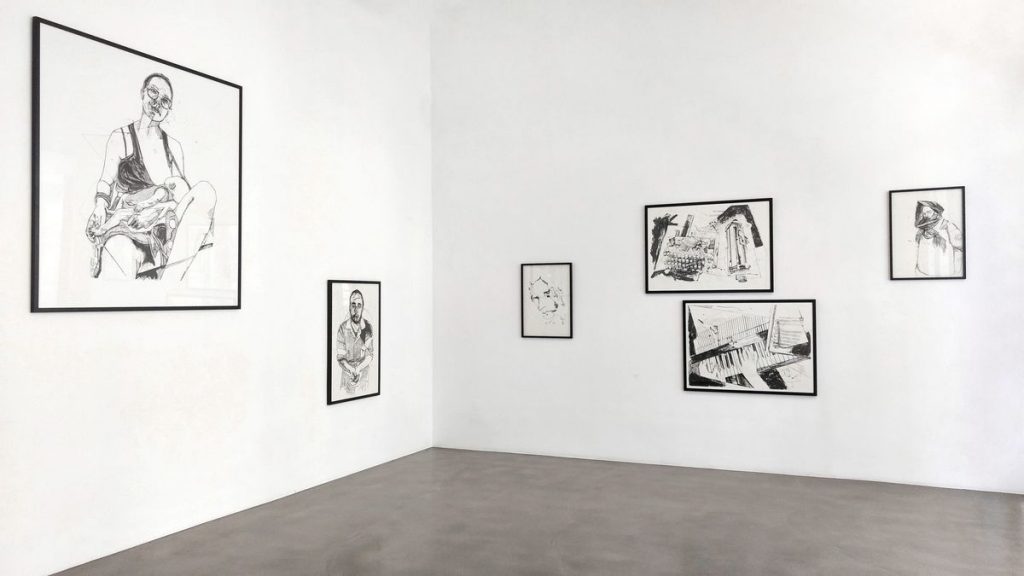
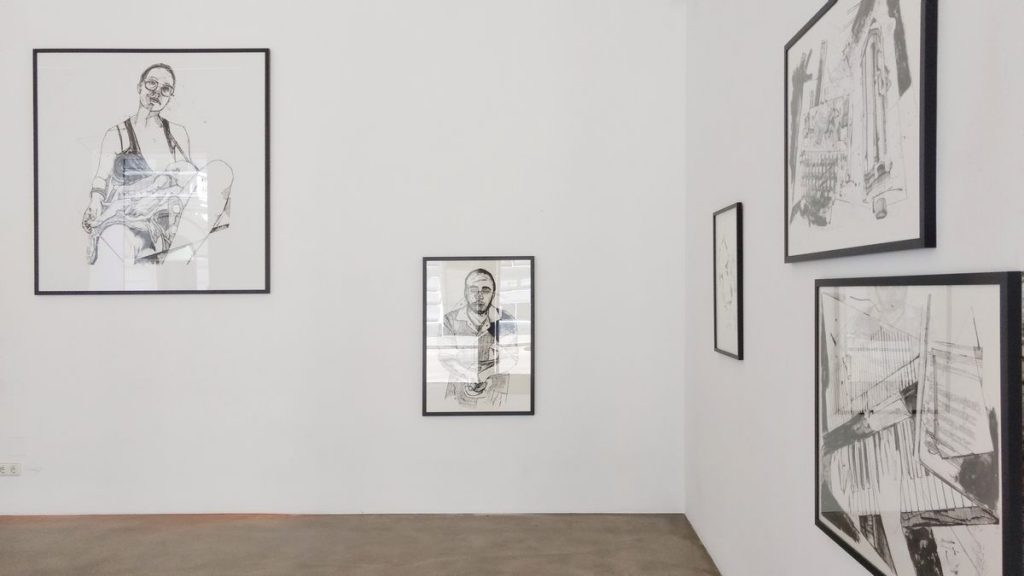
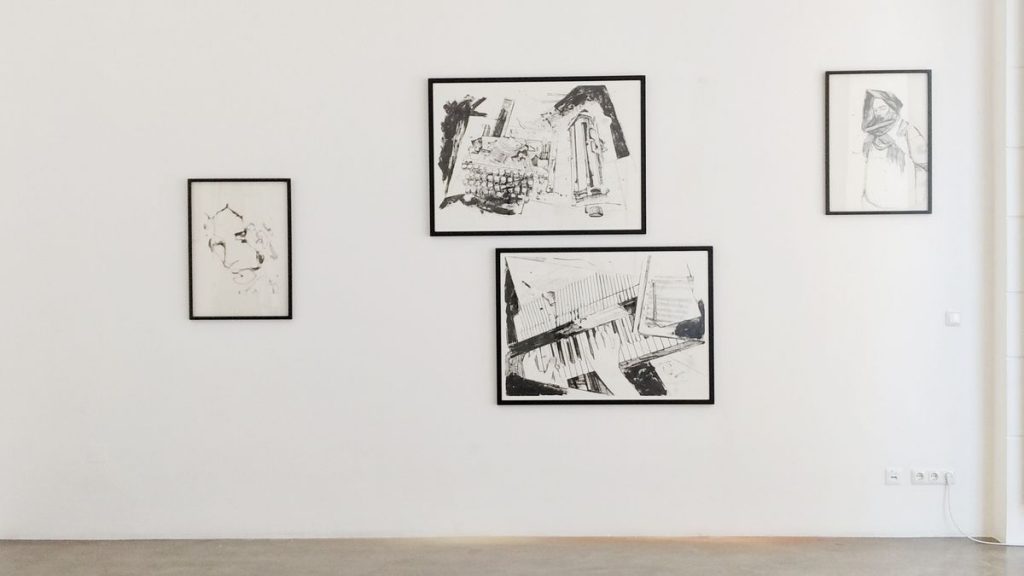
Solo exhibition: Folds, Bildraum 07 (Vienna)

This is a show about abandonment, as witnessed by each of us everyday: in people that grow, in objects that stay — and in the folds and creases left with us along the way.

The series consists of a series of ink drawings, but the show is actually centered around a video work. It’s the first time I’m exhibition a time-based piece, and in this case it’s used to bring together my portrait and interview interests — yet blends them with generative abstraction algorithms. The software I wrote for this has been in use for my drawing practice for a long while now, and was expanded to handle video footage.

Solo exhibition: Kindness of Strangers, Galerie Voss (Düsseldorf)

“Kindness of Strangers” was my fourth solo exhibition at Galerie Voss. It opened on June 7th 2019.

The exhibition features works created after I finished my second series of psychotherapy sessions. The pieces have the wide-ranging, meandering ambiguities known from my previous work — which are also uniquely known to those trying to interpret dreams, Freudian slips or other co-conscious actions. The exhibited paintings aim to emulate rather than depict such subconscious plots: throughout the last years, I continuously suggested psychoanalytical, and thus highly individualized readings of my works. With paintings being inherently post- and preverbal, they seemed a perfect medium for a series on ambiguities and personal interpretations.

The exhibited works repeat and permute a small set of symbols: leaves, origami objects, upside-down figures, closed eyes, roots – with verbal languages offering obvious clues to their potential meanings. The exhibition title refers to the idea of strangers: those encountered in the world, as well as those found within each of us – and the benevolence of human subconsciouses, towards each other and ourselves.

  • Exhibition Opening: June 7th, 7-9:30pm
    Duration: June 8th – July 13th
    Address: Mühlengasse 3, Düsseldorf

Thomas Wolfgang Kuhn wrote a text about the exhibition, which you can read here.

‘[…] Christian Bazant-Hegemark’s art is a plea for active engagement that also makes the “laissez faire” apparent. Perhaps the fusion of the digital and the analogue is a hybrid, just like the combination of external reality and inner vision, although here it appears to be fruitful and fearless.’

“Considering the Circular Topology of Clouds” at Hollerei Galerie (2017)

This was my first solo exhibition at Hollerei Galerie (Vienna). The works depicted heavy political and societal events, to investigate how traditional painting topics operate when referencing the contemporary world of media –, and when they appropriate its formal codes.

Being unsatisfied with the possibilities of digital image editing, Bazant-Hegemark developed his own image abstraction software (enabling unusual fragmentarizations and transformations, and the calculation of a virtual third dimension from 2d images). The results are an integral part of his current image conception. Apart from these algorithmic image modifications, Bazant-Hegemark started to digitize images manually (“pixeling”), strongly referencing 1990s video game aesthetics, and resulting in the works’ surreal spin.

The exhibition focuses on works that transform iconic contemporary images in this multifold way (oftentimes depictions of suffering, morally “authorized” by media awards): photojournalistic sources get pixeled manually, abstracted algorithmically, edited in standard image editing software, printed on fabric and opened up to a traditional oil painting process. This way, the final images flirt with the surface’s alleged beauty; they are aestehtically charged, which quickly becomes unbearable considering the works’ actual depictions.

In this series, Bazant-Hegemark operates in an expanded contemporary painting mode, caring about understanding the capacity of visual media to depict and express. Today’s post-factual media lost its authenticity – having exchanged it with self-referential journalistic networks, for which images only matters as surface: as effect and commodity. There is no more relying on an image’s accuracy: in media, reality and fiction lost their distance. As a result, contemporary mimetic painting is in an unkown situation: it can create, simulate and appropriate, but can only imagine actual authenticity in depicting things happen outside of painting.

Vow of Silence, Solo Exhibition at Galerie Voss (Düsseldorf)

The works of the Austrian artist Christian Bazant-Hegemark deal with the combination of narrative painting and abstraction.

The paradoxical balance of presence and absence, of formulation and creation and of suggestion and meaning is present in all his works. The artist creates an attractive strife. It is challenging to interpret his work, because the viewer is often confused by the change of surface perception. The interplay between the figurative and the abstract may not be limited to one interpretation. Like the work “Your Thick Elephantine Yet So Delicately penetrable Skin” (2011), depicting a girl on a swing. The swing is fitted with a geometrically patterned background and is therefore connected with a surreal element.

Thus the fragmentary starts a communication with the narrative points and a complex dialogue develops. Nothing will be spoken. The figuration monopoly must not oppose the ideas of abstraction. The picture elements appear in fragmentary moments, which can avoid the provability of possible interpretations because they have nothing to prove. The images remain in an uncertain familiarity that seems to have no place. The composition occurs here as a measuring system, pushing whether neither the appropriateness of narrative nor the indulgence of abstraction in the foreground. What we encounter in the works of Christian Bazant-Hegemark, is the floating posture of the fragmentary: the vacuum of groundlessness.

(Link)